IPTV Subscription UK 2026: The Complete Guide to Legal Streaming, Pricing & Top Providers
Last updated: May 2026 | Reading time: ~12 minutes
Internet Protocol Television has crossed a decisive threshold in the United Kingdom. What was once a niche alternative to cable and satellite is now the dominant delivery mechanism for television content — and millions of British households are choosing to formalise that shift with a dedicated IPTV subscription. This guide covers everything you need to know: how IPTV works, what it legally means to subscribe, how much you should pay, and what to look for in a provider in 2026.
What Is IPTV?
IPTV stands for Internet Protocol Television. Instead of receiving content through a satellite dish or a cable connection, IPTV delivers live channels, catch-up content, and on-demand video directly over your broadband connection. Your Now TV stick uses it. So does BBC iPlayer. So does every Smart TV app you’ve ever opened. The technology itself is entirely neutral — what matters legally and practically is the provider behind it.
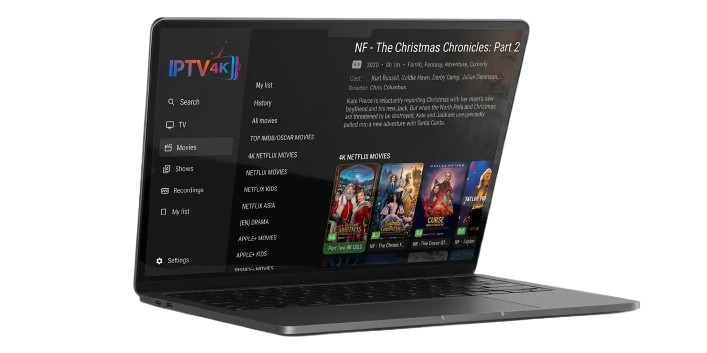
In practice, a typical IPTV subscription gives you access to a large channel list through an app or a media player. You browse an Electronic Programme Guide (EPG), select a channel or film, and the stream plays in real time. More sophisticated services add cloud DVR, multi-screen support, catch-up TV windows, and 4K output — features that were exclusive to premium cable packages just a few years ago.
The State of IPTV in the UK in 2026
The UK IPTV market has matured considerably. Subscription streaming now reaches more than two-thirds of UK households, and British IPTV subscriptions are steadily outpacing traditional TV sign-ups. Several factors have driven this:
Broadband infrastructure. According to Ofcom’s Connected Nations Report 2024, over 70% of UK homes now have access to full-fibre or superfast broadband — the kind of connection that makes high-quality IPTV genuinely reliable. HD streaming requires at least 10 Mbps; Full HD or live sports streams need 20 Mbps or more.
Technology improvements. Providers now offer 4K and emerging 8K formats, anti-freeze technology, adaptive bitrate streaming, and catch-up TV — all things that were once exclusive to premium cable packages.
Cost pressure from traditional TV. Sky implements price increases annually, often with minimal notice. Virgin Media follows the same pattern. Mainstream sports packages (Sky Sports and TNT Sports combined) regularly cost £30 to £40 per month on top of a base TV subscription. IPTV subscriptions, by contrast, have no automatic price escalations — the rate you agree at sign-up remains stable.
Market consolidation. Smaller providers face a squeeze on licensing costs, while larger operators spread infrastructure spend across bigger subscriber bases and keep prices flat. Analysts expect IPTV market share to consolidate around five or six major UK-facing operators by the end of 2026.
Is IPTV Legal in the UK?
This is the most important question to answer before you subscribe to anything. The short answer: yes, IPTV is entirely legal in the UK — provided the service holds the appropriate content licences and distribution rights.
The technology itself is a neutral delivery mechanism regulated by Ofcom, the UK’s independent broadcasting and communications regulator. Using a properly licensed IPTV platform is no different legally from subscribing to Sky, BT TV, or Freeview. The illegality arises solely when a service redistributes premium content — such as live sports or films — without acquiring the necessary rights from rights holders.
UK law addresses this through three primary statutes:
- The Copyright, Designs and Patents Act 1988 makes it an offence to communicate a copyright work to the public without a licence.
- The Digital Economy Act 2017 raised maximum sentences for online copyright infringement to 10 years and introduced stricter penalties for piracy.
- The Communications Act 2003 governs licensed broadcasting operations in the UK market.
The Federation Against Copyright Theft (FACT) has warned that users of illegal streaming services may face legal risk, including possible criminal liability in some circumstances. Individual penalties under the Digital Economy Act can reach £5,000 for users.
Ofcom is also actively expanding its regulatory reach. The UK’s Media Act 2024 modernised broadcasting regulations to cover video-on-demand services, and Ofcom has since published a new Draft Code of Practice for internet-based streaming services — with a final code expected by the end of 2026.
How to verify a provider is legal: Check whether they are transparent about their content licensing, whether they are registered with Ofcom, and whether they offer a formal customer contract with clear terms of service. Legitimate providers do not operate anonymously.
How Much Should an IPTV Subscription Cost in the UK?
Pricing is one of the clearest indicators of quality and legitimacy.
Below £4–5/month: Avoid. At this price point, shared and overloaded server infrastructure is the only viable business model. These services may work adequately during off-peak hours but consistently fail during Premier League Saturday afternoons and Champions League knockout nights — precisely when you need them most.
£9–£14/month: The sweet spot for most British viewers in 2026. At this price point, providers can afford proper server infrastructure, genuine 4K-capable streams, comprehensive EPG data, and responsive customer support. This is where the most reliable UK IPTV services sit.
£15–£25/month: Premium tier. Expect multi-screen support, cloud DVR, dedicated UK server infrastructure, and SLA-backed uptime guarantees.
“Lifetime” subscriptions: Be extremely suspicious. Running a quality IPTV service requires ongoing server costs, content licensing management, and technical maintenance. Any service offering lifetime access at a one-off fee is either unsustainable or misrepresenting what is included. These services typically disappear within months, taking your payment with them.
Also note: always confirm prices are quoted in British pounds (GBP). Some providers list prices in USD, which adds significant cost once converted at current exchange rates.
What to Look for in an IPTV Provider
1. Streaming Stability and Server Quality
The single most important factor. A provider’s channel count is meaningless if streams buffer or drop during live events. Look for services that specifically reference UK-based or UK-proximate server infrastructure, and check for independent user reviews from the last 90 days — not promotional testimonials on the provider’s own site.
2. Channel Selection and Sports Coverage
For sports fans, verify that the channels you care about are genuinely available — not just listed. Premier League, Champions League, and major cricket coverage are the most common pain points. Ask the provider directly which broadcaster feeds are included and whether PPV events are available.
3. 4K and Picture Quality
Streaming quality enhancements including 4K and 8K formats have become standard marketing claims. Ask whether 4K streams require a separate package tier, and check whether the service uses adaptive bitrate technology, which adjusts stream quality based on your connection speed to prevent buffering.
4. Electronic Programme Guide (EPG)
A well-maintained EPG — the on-screen channel guide showing what’s on now and next — is essential for comfortable day-to-day use. Poor EPG data is a common shortcoming in mid-tier services.
5. Device Compatibility
Most quality IPTV services in 2026 support Smart TVs, Amazon Fire Stick, Android and iOS devices, Roku, MAG boxes, and web browsers. Confirm compatibility with the specific devices in your home before subscribing. Multi-screen support — streaming on two or more devices simultaneously — is also worth confirming if you have a household with varied viewing habits.
6. Catch-Up TV
Catch-up windows (typically 7 days) allow you to watch missed programmes after broadcast. This is a standard feature among quality providers and a useful differentiator from basic or budget services.
7. Customer Support
Responsive support matters more than it seems — especially for initial setup. Look for providers offering live chat or ticketed support with documented response times, not just a generic email address.
8. Free Trial
Reputable providers offer a 24-hour free trial or a short money-back window. This allows you to test stream stability on your specific broadband connection and device setup before committing. A provider that refuses any trial period is a red flag.
9. Data Privacy and GDPR Compliance
Any IPTV service operating in the UK or EU must handle customer names, email addresses, and payment details lawfully and transparently. This is a legal requirement, not optional. Check that the provider has a published privacy policy and clear GDPR compliance statements.
Legal IPTV Options in the UK
The fully licensed UK IPTV landscape includes well-established services such as:
- Now TV — Sky’s streaming service, offering Sports, Entertainment, Cinema, and Kids passes with flexible monthly contracts and no satellite dish required.
- BT TV / EE TV — Bundled IPTV service offering BT Sport and a range of add-on packages, available to BT broadband customers and increasingly available standalone.
- BBC iPlayer, ITVX, Channel 4, My5 — Free, ad-supported catch-up and live streaming services from the UK’s public service broadcasters. All are fully legal and Ofcom-regulated.
- Discovery+, Paramount+, Apple TV+, Disney+ — Subscription VOD services with growing live sports and linear TV components.
The honest limitation of the fully licensed market is fragmentation. Consumers wanting live UK television, premium sports, international channels, and catch-up content in one place typically need to combine four or five separate subscriptions, costing a combined £40 to £60 per month. Content aggregation frameworks are being actively tested in the UK market, but a single affordable all-in-one legal package remains elusive in 2026.
Setting Up Your IPTV Subscription: A Quick Start Guide
Step 1: Check your broadband speed. Use Ofcom’s speed checker or a service like Speedtest.net. You need a minimum of 10 Mbps for HD; 25 Mbps or more is recommended for 4K streams or multiple simultaneous devices.
Step 2: Choose your device. Amazon Fire Stick, an Android TV box, or a Smart TV with app support are the most common setups. Most providers offer apps for all major platforms.
Step 3: Sign up for a free trial. Test the service on your connection during a live event — ideally a peak-demand event like a football match — before committing to a paid plan.
Step 4: Install the app or configure your player. Most services use IPTV Smarters Pro, TiviMate, or a proprietary app. Follow the provider’s setup guide exactly.
Step 5: Configure your EPG. A properly configured EPG makes the service far easier to use day-to-day. Most providers include EPG data automatically through their app.
Optional: Use a VPN. A reputable VPN can improve streaming stability on certain networks and adds a layer of privacy. However, note that a VPN does not make an unlicensed stream legal.
Key Questions to Ask Before You Subscribe
- Is the provider transparent about its licensing arrangements?
- Are prices quoted in GBP with no hidden conversion fees?
- Is a free trial or money-back period available?
- What is the uptime guarantee, if any?
- What devices does the service officially support?
- Is there a published privacy policy and GDPR compliance statement?
- How is customer support accessed, and what are the response times?
The Road Ahead: IPTV in the UK Through 2027
The direction of travel is clear. Public service broadcasters including the BBC, ITV, and Channel 4 are actively supporting a transition to IP-based delivery, with a full switch from traditional terrestrial broadcast signals to broadband-only distribution discussed for the 2030s. Mobile networks are already packaging IPTV inside data plans, lifting mobile TV viewing hours significantly among 18–34 year olds.
Ofcom’s new Draft Code of Practice, expected to be finalised by the end of 2026, will bring streaming platforms under many of the same obligations that apply to traditional broadcasters — including requirements around harm, impartiality, accessibility, and prominence of public service content. This represents the most significant regulatory expansion of the streaming market in UK history.
For consumers, this means a more regulated, more accountable streaming market — and a continuing shift of value away from satellite and cable infrastructure towards internet-delivered content.
Summary
IPTV subscription services represent a genuine and often significantly cheaper alternative to traditional cable and satellite TV in the UK in 2026. The technology is legal, widely supported, and increasingly capable — 4K streams, EPG guides, catch-up TV, and multi-device support are now standard at mid-market price points.
The critical factors are choosing a provider that is transparent about its licensing, pricing its service in the £9–£14/month range with a proper infrastructure investment behind it, and testing with a free trial before committing. Avoid lifetime subscriptions, suspiciously cheap services, and any provider that cannot or will not answer basic questions about its content rights.
The UK IPTV market is more mature, more competitive, and more technically reliable than it has ever been. With the right service, it is also the most affordable and flexible way to watch television in Britain today.
This article is for informational purposes only and does not constitute legal advice. Always verify the licensing status of any IPTV provider before subscribing and ensure compliance with applicable UK law.